


- Maurel et Prom stock among the steepest declines of the SBF 120, support level at €7.71 in view
- Unibail-Rodamco-Westfield stock breaks below the €90 threshold, RSI in oversold territory
- Société Générale share drops below €69.87 and extends its decline
- SCOR SE stock briefly breaks through its €32 support level and remains under pressure
- Klépierre stock breaks through 36.18 € and extends its monthly decline
- OPmobility shares rebound above €11.77 following acquisition of Hyundai Mobis lighting business

BNP Paribas share breaks through its 96€ support level and extends its decline
BNP Paribas ranks among the worst performers of the CAC 40 this Wednesday, in a Paris market itself showing a sligh...

AkzoNobel sells its Pakistani subsidiary to IGI Investments for 50 million euros
The Dutch paint and coatings manufacturer has completed the sale of Akzo Nobel Pakistan Limited to IGI Investments,...

Icade: 437 urban gateway redevelopment projects identified in France
Icade and SCET HTC Group published on September 30, 2026 the second edition of their Barometer of commercial urban ...

LVMH / Christian Dior : voici ce que change l'offre de la famille Arnault pour les actionnaires
La famille Arnault prépare une vaste simplification de sa structure de contrôle, qui doit notamment passer par une offre publique de retrait sur Christian Dior. Particularité de l'opération : le prix proposé aux minoritaires n'est pas encore fixé. Il dépendra directement du cours de LVMH à l'approche de l'assemblée générale de décembre.Pour les actionnaires de Christian Dior, l'enjeu est donc double : comprendre comment sera calculé ce prix et mesurer ce qui différenciera désormais le titre de celui de LVMH.

Le cloud européen prend de l'avance dans un marché à l'arrêt
Pendant que le CAC 40 fait du surplace, les infrastructures IT et cloud accélèrent. Le secteur signe une progression de 5% sur la semaine écoulée et gagne 1,28% en séance ce mercredi, alors même que l'indice parisien recule de 0,3%. Un écart qui ne passe pas inaperçu.
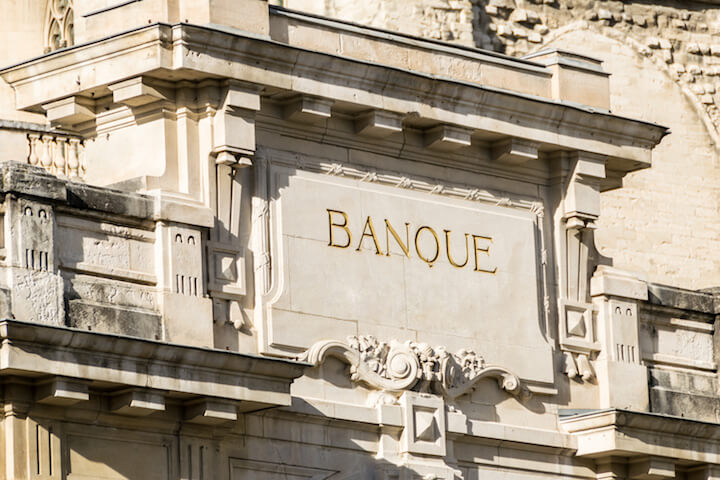
Bourse : les banques européennes marquent une pause avant le verdict de la BCE
Après des mois d'ascension, les valeurs bancaires européennes marquent le pas à quelques jours d'une réunion de la Banque centrale européenne qui pourrait aboutir à une hausse des taux. Sur une semaine, le compartiment de la banque universelle et diversifiée cède 2,83 %, une contre-performance nette au regard d'un CAC 40 quasi stable (-0,19 % sur la même période). Ce mardi 8 septembre, le recul s'accentue avec un repli de 1,28 % en séance, quand l'indice parisien ne perd que 0,42 %.
Market Newsletter
Our AI sends you signals before the market opens every morning.


