

HRS Signs a 5-Year Maintenance Contract for 6 Hydrogen Stations in Auvergne-Rhône-Alpes
HRS has entered into a five-year maintenance framework agreement covering six hydrogen refueling stations operated by HYmpulsion as part of the Zero Emission Valley project in Auvergne-Rhône-Alpes. This agreement strengthens the portfolio of recurring contracts for the Grenoble-based manufacturer, now covering 22 of its 31 installed stations.
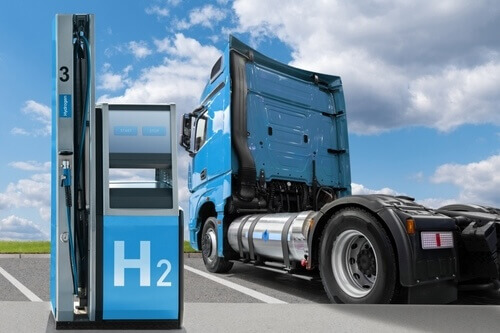
A Five-Year Contract for the Supervision and Maintenance of Six Stations
Under this contract, HRS will provide comprehensive maintenance for the six HRS stations located in the Auvergne-Rhône-Alpes region on behalf of HYmpulsion. These stations, located in Aubenas (300 kg/day), Saint-Égrève (600 kg/day), Vénissieux (600 kg/day), Lyon-Saint-Exupéry (1 ton/day), Malataverne (1 ton/day), and Saint-Priest (300 kg/day), will receive full preventive and corrective maintenance coverage. The service is supported by a dedicated team of engineers and technicians available 24/7, 365 days a year. HRS provides spare parts and ensures remote supervision as well as real-time technical support from its control room.
Significant Growth in Recurring Revenues
Of its 31 installed hydrogen refueling stations, HRS now covers 22 stations through signed maintenance contracts. Eight additional contracts are being finalized or are forthcoming with the gradual commissioning of new stations. The development of recurring revenues is a major strategic focus for HRS. The company recorded a 33% growth in this area during the first half of the fiscal year 2025-2026. This momentum is expected to accelerate as new stations are commissioned.
Strengthening Presence alongside HYmpulsion
Hassen Rachedi, founder and CEO of HRS, states: 'We are deeply grateful to HYmpulsion for this renewed vote of confidence in our expertise. From the beginning, we have been committed to supporting the deployment of hydrogen mobility in Auvergne-Rhône-Alpes. This five-year maintenance framework agreement illustrates the trust placed in the quality, reliability, and performance of our infrastructure.'


