

Brent at $108: The Risk of an Oil Shock Looms Over Europe
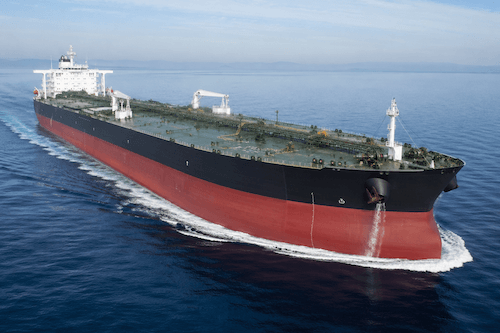
Ormuz Paralyzed, Brent at $107: A Supply Shock That Could Become Structural
The Strait of Hormuz, through which about 20% of the world's crude oil passes, remains blocked due to a double standoff between Iran and the United States. Market data as of Monday, April 27, 2026, places Brent at around $108 per barrel and WTI at around $96, levels that continue the sharp increase of more than 15% observed over five days.
On the diplomatic front, the deadlock appears to be intensifying. Iran accuses Washington of derailing the talks held in Pakistan by imposing what are deemed « excessive » demands. Donald Trump stated that the United States no longer wishes to negotiate directly with Tehran. Meanwhile, Iranian Foreign Minister Abbas Araghchi is continuing a tour that has taken him to Vladimir Putin in Russia.
The sticking point remains nuclear issues: Washington considers it a prerequisite, while Tehran proposes a staged plan—ceasefire, reopening of Hormuz, followed by postponing nuclear discussions. An Iranian oil sector representative stated that even reopening the strait wouldn't necessarily bring crude prices below $80. Although this statement comes from an interested party, it nonetheless reflects a sentiment shared by part of the market: the possibility of a new, sustainably higher price norm is beginning to be factored into valuations.
Transavia Cuts Its Schedule: Rising Fuel Costs Hit European Air Transport
First tangible sign of the shock affecting European businesses: Transavia France has announced targeted flight cancellations for May and June 2026. The company directly cites the increased jet fuel prices, which are linked to the geopolitical context. Although the scale remains limited — less than 2% of the flight schedule for the period — the signal is significant.
The aviation sector, which is highly fuel-intensive, is one of the first economic links to absorb a sharp rise in oil prices. When the price of a barrel stays above $100 for several weeks, airlines — especially low-cost carriers operating with tight margins — face a direct trade-off between capacity reductions and passing costs onto passenger fares.
Transavia's decision illustrates a broader risk. If Brent crude stabilizes at these levels or rises further, other airlines might be compelled to adjust their summer offerings, potentially impacting ticket prices and tourism activity in European destinations most dependent on air traffic.
Germany in decline, central banks under pressure: the specter of stagflation
Across the Rhine, Europe's largest economy is sending a worrying signal. According to the NIM/GfK index, German consumer confidence is expected to drop to -33.3 points in May, down from -28.1 in April, marking the lowest level since February 2023. Rising energy prices are already weighing on household income expectations and their willingness to spend.
This decline is closely linked to the oil market context. Germany, a major energy importer, is severely impacted by any sustained increase in hydrocarbon prices. The weakening of German domestic demand traditionally has ripple effects across the entire eurozone, given Germany's significant role in intra-European trade.
It is under these circumstances that the US Federal Reserve, the European Central Bank, the Bank of Japan, and the Bank of England are preparing to embark on a new series of monetary policy decisions. The current situation—energy-driven inflation combined with potentially weakening demand—reflects the classic dilemma of stagflation. Lowering interest rates would stimulate demand but could fuel inflation; maintaining or raising them would protect price stability at the risk of exacerbating the economic slowdown.
For the four major central banks, the prospect of rapid monetary easing now appears more uncertain. The market will have to navigate this ambiguity during upcoming monetary policy meetings.
This content has been automatically translated using artificial intelligence. While we strive for accuracy, some nuances may differ from the original French version.


