

Air France-KLM Shares Drop Amid Brent Surge, Weighed Down by Iran
The stock of the Franco-Dutch airline is significantly down in mid-morning trading on the Paris stock exchange, as the market remains focused on military escalation in the Middle East and its impact on oil prices. The stock is among the biggest losers in the SBF 120 index, which is otherwise trending upwards.
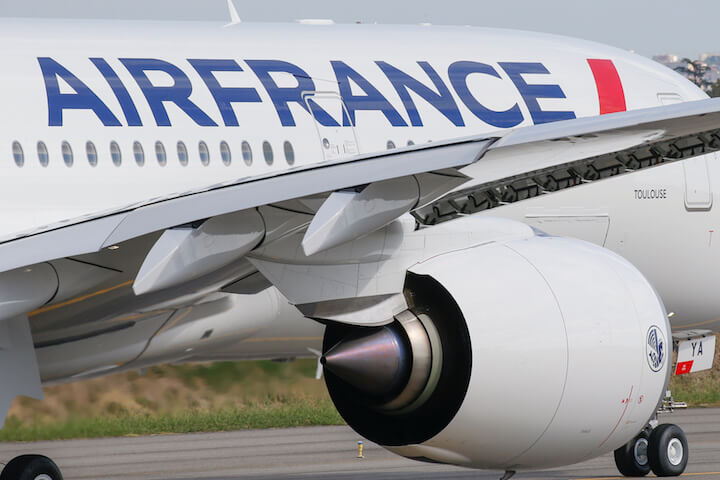
A Decline Bringing the Stock to its 50-Day Moving Average
Air France-KLM shares are down 2.62% at €12.08, while the SBF 120 is up 0.18%. The decline is directly related to the Brent surge, which has jumped another 3.22% to $88 a barrel after rising nearly 16% last week, amid new US strikes against Iran and reduced traffic in the Strait of Hormuz. Fuel represents the largest variable cost for airlines, which explains the stock's mechanical sensitivity to this movement. The stock is among the strongest declines in the SBF 120, alongside other cyclical issues penalized during the session. This movement is part of a broader consolidation sequence: the weekly loss now reaches 9.34%, even though the stock still holds a gain of 14.77% over three months after the spring rally.
The 50-Day Moving Average at €11.93 Becomes the Next Technical Reference Point
The decline significantly shifts the stock below its 20-day moving average at €13.20, with a gap of 8.45%, signaling a short-term momentum fatigue. However, the price remains above the 50-day moving average (€11.93), which now acts as the first buffer, and maintains a margin of 9.47% over the 200-day moving average at €11.04. The RSI at 46 moves out of the overbought zone where it was at the end of June, without yet entering oversold territory. In terms of valuation, the stock is trading at about 3.6 times the earnings expected for the current fiscal year and 2.5 times those of the next fiscal year, according to the consensus of surveyed analysts. Financially, the group also completed a senior bond issue of 500 million euros at the end of June, an operation that has bolstered the balance sheet structure without weighing on the second-quarter rally. The performance of the 50-day moving average at €11.93 will be the next marker to watch to gauge the depth of the ongoing decline.


