

Brexit: London and Brussels Finalize Two Agreements on Agri-food and Carbon
Meeting in Brussels on November 20, 2026, European and British leaders announced the conclusion of negotiations on agri-food trade and carbon market interconnection. The two agreements must now go through the necessary legal steps before their expected implementation in 2028. This rapprochement marks a new commercial phase without calling into question the United Kingdom's exit from the single market.
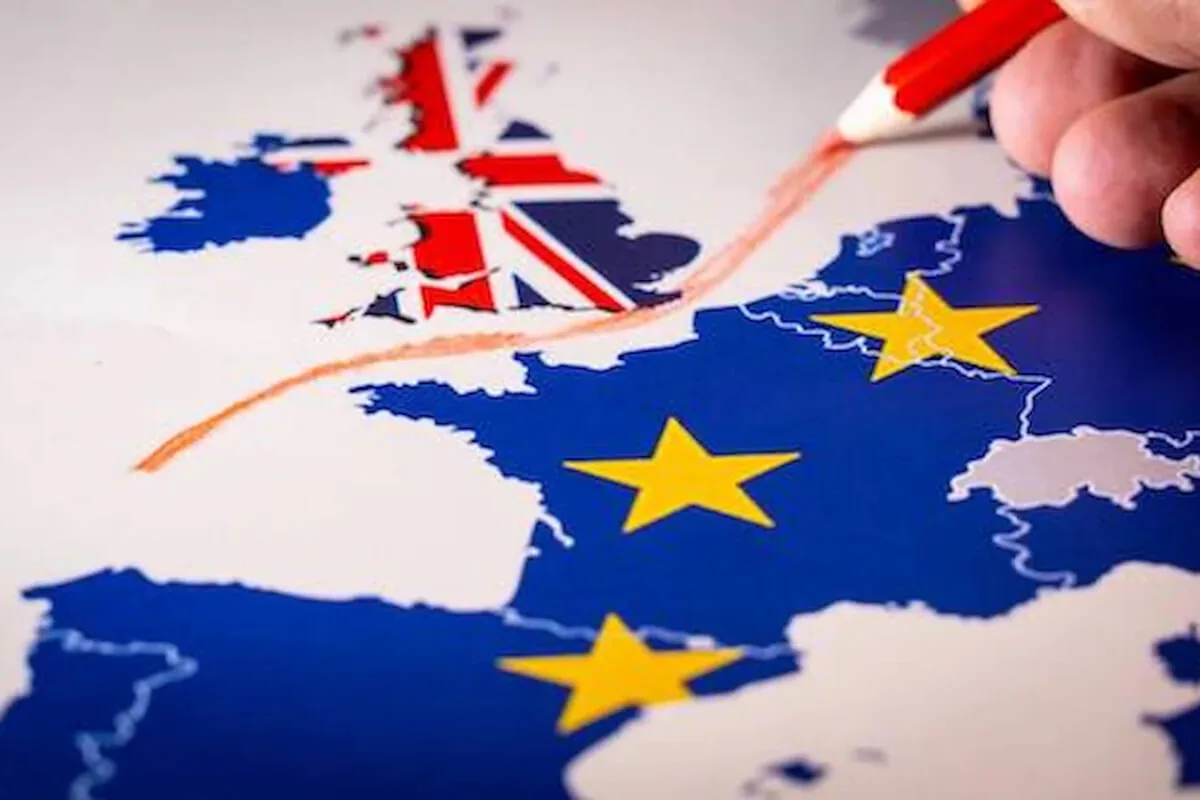
Brussels Summit Confirms Two Trade Agreements
The commercial rapprochement between London and Brussels has reached a new milestone. The second summit between the European Union and the United Kingdom, held on Friday, November 20, 2026, resulted in a joint declaration confirming the conclusion of negotiations on two particularly sensitive areas since Brexit: sanitary and phytosanitary controls and the interconnection of carbon emission trading markets.
The announcement finalizes several initiatives launched following the 2025 political rapprochement. However, it does not signify the immediate implementation of the agreements. The texts must still undergo the applicable legal procedures on both sides of the Channel before they can take effect.
European and British leaders have set different deadlines: March 1, 2028, for the common sanitary area and January 1, 2028, for the interconnection of emissions trading systems, subject to the completion of necessary procedures.
A Shared Health Area Expected by March 2028
The first agreement pertains to the exchange of food, agricultural, animal, and plant products. Since the United Kingdom's exit from the European Union, these flows are subject to additional formalities, including sanitary and phytosanitary certificates and border checks.
The new common sanitary and phytosanitary area aims to apply harmonized rules to the products covered by the agreement and eliminate a large portion of the formalities currently complicating trade between Great Britain and the European Union.
According to explanations published by the British government on November 20, the agreement includes the elimination of export health certificates for the goods concerned, as well as many sanitary border checks on products such as dairy, fish, and meat. Phytosanitary certification requirements will also be dropped for the covered products.
This harmonization will be based on dynamic regulatory alignment: the United Kingdom and the European Union will apply the same rules in the areas covered by the agreement, including when these rules evolve. The framework also aims to facilitate trade between Great Britain and Northern Ireland, in coordination with the Windsor framework.
The official goal is for implementation to begin on March 1, 2028, subject to the completion of British and European procedures, with targeted transitional provisions in certain areas. The companies involved thus have a projected timeline, although the actual savings realized will depend on their activities and the implementation details.
Carbon Markets Should Be Interconnected by 2028
The second agreement concerns emissions trading systems. Since Brexit, the United Kingdom and the European Union have separate carbon pricing mechanisms, leading to regulatory differences for industries operating in both markets.
The negotiations concluded on November 20 provide for an interconnection of the two systems starting January 1, 2028, subject to ratification and entry into force procedures. The UK and European systems will remain distinct, but allowances issued by one can be used to meet compliance obligations in the other, according to the agreement's rules.
The issue goes beyond merely organizing carbon markets. The alignment is also expected to create conditions for possible reciprocal exemptions from border carbon adjustment mechanisms, subject to applicable legislation and procedures. These mechanisms aim to apply a carbon cost to certain imports, considering the emissions associated with their production.
In its communication, the European Commission emphasizes that this interconnection should create a larger and more liquid carbon market, with potentially more stable prices. It also believes that an expanded market could encourage more efficient investment decisions in decarbonization.
These effects are still anticipated and not yet observed. The economic benefits will depend on the effective implementation of the agreement, the evolution of allowance prices, and the operating conditions of the two systems.
Sector Integration Without a Return to the Single Market
Negotiations are ongoing on other issues. London and Brussels have committed to conclude their negotiations by 2027 on a potential UK participation in the European internal electricity market, subject to a definitive agreement. This project would involve a British financial contribution aimed at reducing economic, social, and territorial disparities between regions of the European Union.
Unlike the health and carbon agreements, this aspect remains at the negotiation stage. The summit on November 20 also concluded negotiations on a temporary youth mobility program, distinct from the two trade agreements.
The announcements confirm a willingness to reduce some economic costs inherited from Brexit through targeted sectoral agreements. They do not restore general free movement of goods under pre-Brexit conditions, nor do they reinstate the UK's membership in the single market.
For European and British businesses, economic consequences will now depend on the legal finalization of the agreements, their implementation, and the effective removal of the administrative procedures currently needed for exchanges. The announced dates provide a preparation timeframe, but do not yet guarantee effective application by these deadlines.
This content has been automatically translated using artificial intelligence. While we strive for accuracy, some nuances may differ from the original French version.


