

Disruptions in the Strait of Hormuz: 20% of Global Oil Flow at Risk
Geopolitical Context and Drastic Decline in Maritime Traffic
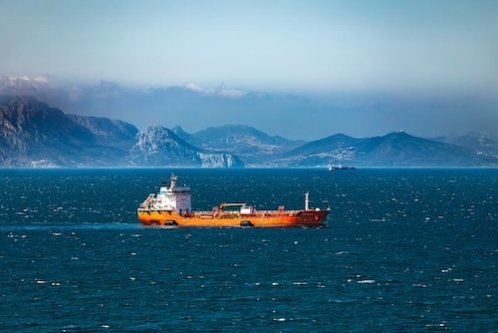
The 'Epic Fury' operation, launched by the United States and Israel against Iranian and nuclear infrastructures, has transformed the Strait of Hormuz into a high-risk zone since February 28. This narrow passage, controlled by Iran and connecting the Persian Gulf to the Indian Ocean, is experiencing a severe drop in traffic. On Sunday, March 1, only four tankers dared to navigate through, compared to an average of 24 per day in January, according to Vortexa. Three of them were flying the Iranian flag. Lloyd's List Intelligence reports about 200 ships are blocked in the Gulf, unable to leave due to threats. Several tankers have been hit by projectiles near the strait, deterring shipowners. Iran, in response to the strikes, has closed the passage, threatening to use naval mines for a prolonged blockade. This escalation follows internal Iranian protests suppressed since mid-January, which had already driven Brent prices up by more than 20% in a month and a half due to an anticipated risk premium.
Rising Prices and Vulnerabilities in Energy Markets
Oil prices nearly doubled in 48 hours before experiencing a slight dip. On Wednesday at 1 PM CET, WTI was trading under $75, up 0.2%, while Brent surpassed $82, gaining more than 1%. On Tuesday, Brent closed at $83 a barrel, with a jump of over $10 in two days. Goldman Sachs has raised its forecasts: $76 for Brent in Q2 2026, up from a previous $66, and $71 for WTI. Mizuho anticipates a 'war premium' of $5 to $15 per barrel due to insurance factors. If disruptions last five weeks, prices could reach $100 per barrel. Liquefied natural gas is experiencing a major shock: a 40% increase in Europe following a Qatari halt due to attacks on its facilities. Iraq has suspended production at Rumaila. A $10 differential per barrel raises the price of a liter of SP95 by 6.5 cents. Limited bypass pipelines are not compensating for Saudi Arabia, Iraq, and the Emirates.
International Reactions and Challenges for European Energy Policy
Donald Trump ordered political risk insurance through the US International Development Finance Corporation, promising US naval escorts if needed. These measures mitigate but do not eliminate upward pressures, analysts note. Francis Lun of Venturesmart Asia considers the situation 'out of control,' according to Euronews.
Twenty percent of the world's oil and nearly 30% of crude flows through the Strait of Hormuz impact Asia (80% of the flows) and Europe. A prolonged shutdown would harm global growth and inflation, limiting central banks' ability to cut rates. For the EU, these shocks raise questions about diversification following the Ukrainian crisis: dependence on LNG and Gulf oil imports persists despite efforts. High prices sustain energy inflation, hindering transitions. The attack on the Saudi refinery at Ras Tanura highlights regional vulnerability. Investors are closely monitoring the duration of the blockade to adjust their strategies.
This content has been automatically translated using artificial intelligence. While we strive for accuracy, some nuances may differ from the original French version.


