

Japan seeks to curb inflation with a 117 billion-euro stimulus plan
In response to persistent inflation and a record public debt, the Japanese government is implementing a large-scale fiscal policy. The goal: to relieve households and stabilize markets without compromising the sustainability of public finances.
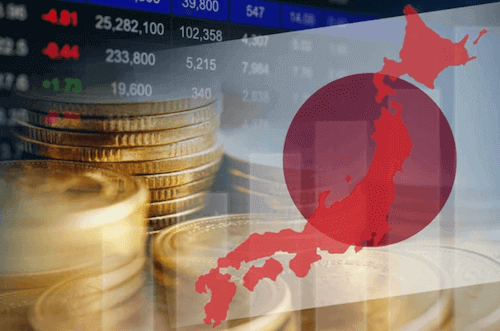
A Fiscal Response to Lasting Inflation
The cabinet led by Prime Minister Sanae Takaichi approved a new economic stimulus plan on November 21, 2025, amounting to 21.3 trillion yen, or approximately 117 billion euros. This initiative aims to cushion the impact of inflation on households and businesses amidst rising prices that continue to erode purchasing power. For the first time in several years, Japan is opting for such an ambitious fiscal stimulus, combining social transfers and tax reductions.
The plan notably includes direct assistance of 20,000 yen (about 110 euros) per child and a subsidy of 7,000 yen per household on energy bills. These measures are part of a targeted strategy designed to mitigate the effects of rising electricity and gas prices, which are largely imported and therefore affected by the yen's depreciation. The government also incorporates into this plan tax cuts aimed at households and small businesses, though the total extent of these reductions has yet to be specified.
The Prime Minister emphasizes the « responsible » nature of the program, presenting it as an investment to stimulate potential growth. According to her, only a more dynamic economy will enable a medium-term reduction in the debt-to-GDP ratio, which is currently at unprecedented levels. In an official statement, she clarified that the plan is not about spending for the sake of spending, but rather a strategic use of budgetary resources. This message seeks to reassure a public concerned about the deterioration of public finances and volatile financial markets.
A Massive Debt Under Scrutiny
The plan comes amid growing pressure on public finances. According to the latest data from the International Monetary Fund, Japan's debt is expected to reach 232.7% of its gross domestic product by 2025. This is the highest rate among developed economies. This trajectory is closely monitored by rating agencies and investors, in an environment where the stability of sovereign finances has once again become a global issue.
At the same time, inflation excluding fresh food items rose to 3% in October 2025. This marks the 43rd consecutive month above the Bank of Japan's 2% target, an unprecedented phenomenon since the early 1990s. Japan, long faced with stagnant prices, is now experiencing rising import costs, particularly in energy and food. This complicates the task of the monetary institution, which continues to maintain a low interest rate policy, unlike other major central banks.
The increase in Japanese government bond yields observed over the past week reflects this growing tension. Investors are demanding higher risk premiums in the face of fiscal uncertainties. Thus, the government is seeking to convince that this stimulus plan is not an abandonment of fiscal discipline but a targeted response to a cyclical crisis. The central argument remains the stimulation of sufficient growth to ultimately ease the debt burden.
A Weakened Currency and Attentive Markets
Alongside concerns about debt, the ongoing depreciation of the yen is fueling economic tensions. Since the start of 2025, the Japanese currency has significantly lost value against the US dollar, hitting its lowest level since January by November. This decline intensifies imported inflation in an economy heavily reliant on external raw material supplies.
The Ministry of Finance has not ruled out direct intervention in the foreign exchange markets. Minister Satsuki Katayama mentioned the possibility of « appropriate measures against disorderly movements, » a phrase that keeps the option of coordinated intervention to support the yen open. However, no actions have been announced yet, and markets remain cautious.
On the growth front, the latest statistics indicate a 0.4% contraction in GDP in the third quarter of 2025. Although modest, this contraction fuels fears of a more pronounced slowdown should inflation continue and economic actors' confidence remain weak. The anticipated effects of the stimulus plan will therefore be closely monitored by both investors and international financial institutions.
For now, the administration is aiming for a delicate balance: addressing social emergencies without causing further budgetary upheaval. The effectiveness of this approach will heavily depend on energy price developments, monetary stability, and the government's ability to restore sustainable growth.
This content has been automatically translated using artificial intelligence. While we strive for accuracy, some nuances may differ from the original French version.


