

Oil: New Attacks in the Gulf Complicate Price Easing
Two oil tankers were hit by projectiles in the Strait of Hormuz on Saturday, November 21, according to British maritime monitoring authorities. These attacks, along with a new incident reported on Sunday and threats to Gulf energy facilities, are fueling concerns about global supply. Despite these tensions, Brent crude fell by 0.51% on Monday morning, to $92.10 per barrel.
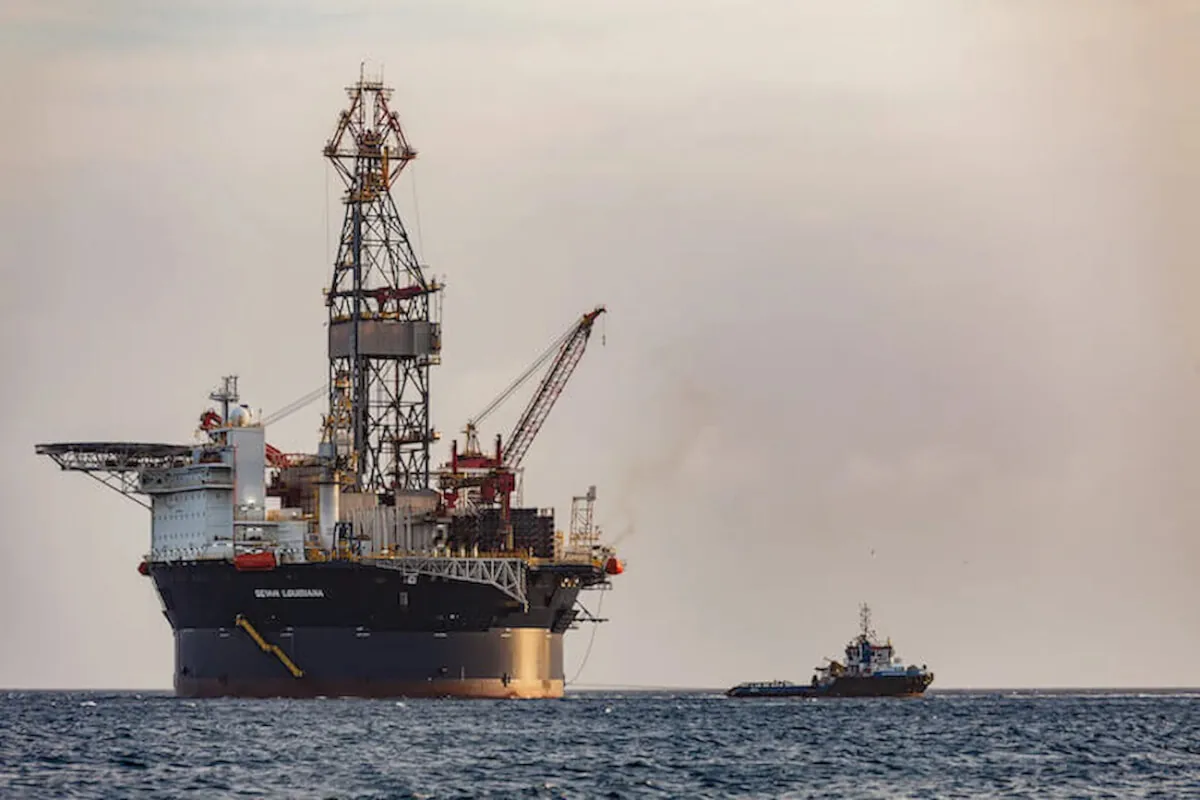
Brent Crude Falls Despite Spike in Maritime Incidents
The oil market begins the week of November 23 marked by conflicting tensions. Recent attacks targeting tankers in the Strait of Hormuz keep supply risks at the forefront, while demand outlook and the resumption of exports continue to weigh on prices.
On Monday, November 23, Brent futures fell 0.71%, below $92 a barrel, while the American West Texas Intermediate (WTI) crude declined by 0.52%, to $82.98, according to Reuters.
These movements extend a week characterized by a 4% drop in Brent and a 5% decrease in WTI. They illustrate the coexistence of two opposing factors: the prospects of a better-supplied oil market and the persistence of a geopolitical risk likely to affect hydrocarbon flows from the Middle East.
The weekend incidents exemplify this instability, without causing any lasting increase in prices at this stage.
Three Attacks on Oil Tankers Reported November 20-21
The UK Maritime Trade Operations (UKMTO) issued two attack advisories on Saturday, November 21, regarding tankers departing the Strait of Hormuz near Khasab in northern Oman.
At 5:00 UTC, a first vessel was hit at the stern by a projectile of unknown origin, about 11 nautical miles north of Khasab. Fifty minutes later, a second tanker was struck in its engine room, 17 nautical miles east of the same location.
A report from the Joint Maritime Information Center (JMIC), published on November 22, identified the two vessels as the TORKEL and the ARINA. According to the document, the first attack caused a fire on the TORKEL, which was later reported at anchor. No fatalities or injuries among the crews were reported for these two incidents, and their environmental consequences remained unknown at the time of the report's publication.
The JMIC also documented an attack that occurred on Friday, November 20, against another tanker, struck at the port bow by a projectile about 8 nautical miles north of Khasab. A fire ignited on board, with no casualties reported.
These three attacks, occurring in less than two days, highlight the ongoing risks for ships navigating the strait. However, the British advisories do not definitively attribute these strikes to any specific actor.
New Incident Reported Sunday in the Gulf of Oman
On Sunday, November 22, at 2:25 PM UTC, the UKMTO issued a new security advisory regarding an incident involving an oil tanker and military forces in the Gulf of Oman. The document, referenced 217-26, does not specify the exact nature of the events or the identity of the forces involved.
This is classified as a security advisory and not a confirmed attack. Authorities indicated that investigations were ongoing.
Meanwhile, the Houthi movement in Yemen claimed responsibility on Sunday for an attack on a Saudi refinery, according to Reuters. This claim alone is not sufficient to establish any potential damages or the consequences of the operation on oil production.
Nevertheless, the repetition of incidents underscores the persistent vulnerability of maritime routes and energy installations in the region, even as diplomatic efforts continue to try to resolve the conflict.
Oil Flows Still Disrupted by Hormuz Strait Disturbances
The sensitivity of the markets to these incidents is partly due to the importance of the Strait of Hormuz for Middle Eastern hydrocarbon exports.
Data published on November 16 by the U.S. Energy Information Administration (EIA) helps quantify the disruptions caused by the conflict. The volume of crude oil, condensates, and petroleum products transiting through the strait decreased from 21.6 million barrels per day in the fourth quarter of 2025 to 5.1 million in the second quarter of 2026.
A partial recovery was observed in the third quarter of 2026, with an average volume of 9.1 million barrels per day. Despite this progress, quarterly flows remained significantly below levels recorded before the conflict.
These figures represent historical averages and do not directly describe traffic as of November 23. The EIA estimates are also subject to revisions, especially due to difficulties in tracking ships in the region.
More recent data from the JMIC, published on November 22, confirms that commercial traffic in the strait remains reduced compared to its 2025 benchmark. However, the report notes an increase in crossings assisted by U.S. authorities between the periods of November 15-18 and November 19-21.
Thus, the situation combines partial recovery of some maritime movements with the continuation of significant restrictions. Further attacks could disrupt efforts to normalize traffic and affect hydrocarbon transport conditions.
A Persistent Risk Premium Ahead of OPEC+ Meetings
The weekend attacks occur as oil prices have already significantly retreated from the levels reached during previous phases of the conflict. Concerns about global demand and supply prospects also contribute to price fluctuations.
Nevertheless, the military risk continues to influence the market. An escalation of incidents in the Strait of Hormuz could complicate maritime transport, increase the costs of risk hedging, and alter supply conditions. Conversely, a lasting improvement in security and the continued recovery of exports could lead to a relaxation of prices, all else being equal.
Another key date for investors is November 29. OPEC+ countries are set to hold several meetings, focusing in particular on their production policy for 2027. The schedule has been confirmed by the organization, which plans to hold its 42nd ministerial meeting bringing together OPEC and non-OPEC member producers on that date.
Decisions regarding production levels will be an additional determinant of oil outlooks, independent of the evolution of military operations.
For energy-importing economies, especially European ones, the challenge remains one of persistent volatility. Another surge in prices could transmit to fuel prices and production costs for certain companies, with possible consequences on inflation. However, the attacks recorded on November 20 and 21 alone do not suffice to anticipate a new lasting surge in oil prices.
This content has been automatically translated using artificial intelligence. While we strive for accuracy, some nuances may differ from the original French version.


