

Warehouses in Europe: Why Logistics is Moving Closer to Major Cities
The growth of e-commerce, the pursuit of shorter delivery times, and environmental constraints are transforming warehouse organization in Europe. Companies are no longer just seeking large spaces on the outskirts: they also prioritize well-connected hubs capable of bringing goods closer to consumers while optimizing transport flows.
Sponsored content by Brisbane Media. The editorial team did not participate in the creation of this article.
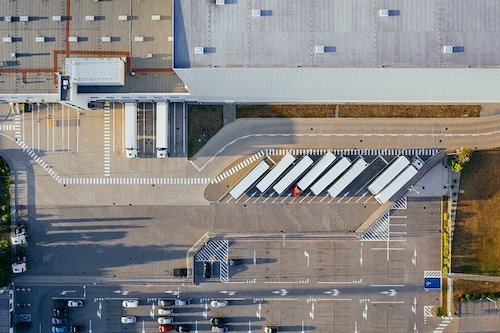
The Last Mile Becomes a Key Issue
In contemporary logistics, the last mile is one of the most sensitive stages. It encompasses a significant portion of operational constraints: meeting deadlines, the cost of routes, access to urban centers, congestion, and environmental requirements. With the rise of online shopping, consumers expect faster deliveries, sometimes as soon as the next day or even the same day. This change is driving operators to rethink the location of their warehouses and move closer to densely populated areas.
Warehouses Closer to Consumer Markets
The trend is not about abandoning large peripheral warehouses, which remain essential for massive storage and large-scale order preparation. Instead, it leads to supplementing these platforms with locations closer to metropolitan areas. These intermediate spaces can help organize last-mile logistics, reduce travel distances, and enhance the responsiveness of supply chains. This approach primarily concerns major European cities and their outskirts, where population density, land pressure, and delivery constraints make the placement of logistics sites more strategic.
Connectivity Becomes as Crucial as Space
Choosing a warehouse is no longer solely based on land price or available space. The site's connectivity is becoming a decisive factor. Companies seek locations that allow quick access to major highways, as well as integration with other modes of transport when possible. Platforms located near a port, canal, freight station, or dense road network can provide greater flexibility in organizing logistics flows. It is this combination of urban proximity and access to infrastructure that enhances the appeal of certain logistics hubs.
Increased Interest in River and Rail Transport
Road transport remains dominant in European logistics, especially for last-mile delivery. However, the demands for decarbonization and traffic restrictions in certain urban areas are prompting companies to consider other solutions. River and rail transport do not replace road transport for the last mile, but they can help reduce the environmental footprint of upstream flows where infrastructure exists. This multimodal approach can be particularly relevant in cities with access to waterways or combined transport platforms.
More Selective Urban Hubs
A New European Logistics Geography
European metropolitan areas capable of combining consumer density, transport infrastructure, and diverse logistical solutions have a distinct advantage. This type of configuration can be found in several major cities, notably in Brussels, where the city's proximity aligns with alternatives to exclusively road transport. This development illustrates a broader transformation: the warehouse is no longer just a storage space but a strategic link in delivery, urban mobility, and logistical transition.
An Industry Forced to Adapt
European logistics is entering a more complex phase where speed alone is no longer sufficient. Companies must contend with increased customer demands, cost pressures, environmental constraints, and the scarcity of well-located land. In this context, the best sites are those that bring goods closer to consumers while maintaining good connectivity to transport networks. The development of urban and suburban warehouses is therefore not only a matter of performance but also an adaptation to the new constraints of large cities.
Contenu conçu et proposé par Brisbane Media. La rédaction n'a pas participé à la réalisation de cet article.
This content has been automatically translated using artificial intelligence. While we strive for accuracy, some nuances may differ from the original French version.


