

Global Markets in Cold Sweat
After several weeks of market euphoria, volatility is reappearing. Jerome Powell's cautious remarks have dampened expectations for a new rate cut, leading to a surge in the dollar and U.S. rates. As a result, global indices have pulled back, and there is renewed tension in European bond markets.
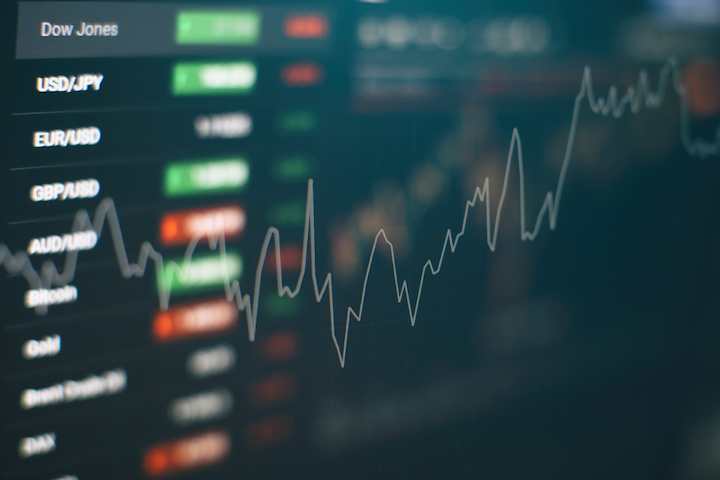
A Climate of Widespread Nervousness
The bullish momentum of recent weeks seems to have run out of steam. While investors were hoping for a more peaceful end to the year, market realities have reminded them that confidence remains fragile. On Monday, the VIX volatility index, often called Wall Street's « fear gauge, » jumped 11%, a clear signal of returning nervousness.
In Europe, the CAC 40, which recently hit a new record, fell below 8,000 points before briefly approaching 7,800 points. The same was observed with Germany's DAX, which returned to its levels from late September. This downturn marks a return to caution, as traders fear a period of sustained consolidation after several months of optimism driven by monetary easing and strong performance in tech stocks.
"The bond market, however, never really relaxed, » notes Alexandre Baradez, Head of Market Analysis at IG France. The OAT-Bund spread, which measures the gap between French and German interest rates, remains around 80 basis points, close to the peak after the dissolution of the National Assembly in the summer of 2024. This tension reflects both political uncertainties and doubts about France's fiscal trajectory.
Fed Dampens Hopes for Easing
The shockwave, as often, originated from the Federal Reserve. During its latest meeting, Jerome Powell made remarks considered firmer than expected, indicating that « another interest rate cut in December is not a given. » This statement immediately altered market expectations: investors, previously convinced of further monetary easing, had to revise their scenarios.
This shift triggered a rebound in US rates, a rise in the dollar, and, inevitably, a decline in risky assets. Stock markets responded with a swift correction, while liquidity in the money market showed signs of tension. Overnight rates, used for very short-term refinancing operations, exceeded the upper bound of the Fed's range, indicating some unease about cash availability.
In Asia, the nervousness also spread: Japan's Nikkei 225 and Hong Kong's Hang Seng Index erased some of their recent gains. Even strong earnings reports from some US tech companies—Palantir, AMD, and Alphabet—weren't enough to revive enthusiasm.
According to analysts, the market has reached a point of unstable equilibrium. Valuations, particularly in the American tech sector, already account for optimistic growth and profitability forecasts. Alexandre Baradez notes, « In this context, the slightest signal of monetary tightening can be enough to trigger a correction."
The coming days will be decisive. If US macroeconomic indicators confirm the resilience of the economy, the Fed could maintain an even more restrictive policy, prolonging the period of volatility. Conversely, a significant slowdown in activity would provide some relief to equity markets.
One thing is certain: investors will have to get used to navigating a more nervous environment where the balances between growth, rates, and liquidity are constantly being redefined.
This content has been automatically translated using artificial intelligence. While we strive for accuracy, some nuances may differ from the original French version.


