

Wall Street Awaits Inflation: Dollar General Soars, Intel Plummets
The US market shows a façade of stability this Thursday as investors hold their breath ahead of the crucial release of PCE inflation figures scheduled for Friday morning. The S&P 500 edges up modestly by 0.11%, while the Dow Jones dips by 0.07%. Behind these subtle movements lies a much more nuanced reality, marked by pronounced sectoral divergences and significant portfolio repositioning. Cyclical stocks emerge stronger from this session, while semiconductors and some growth giants face profit-taking.
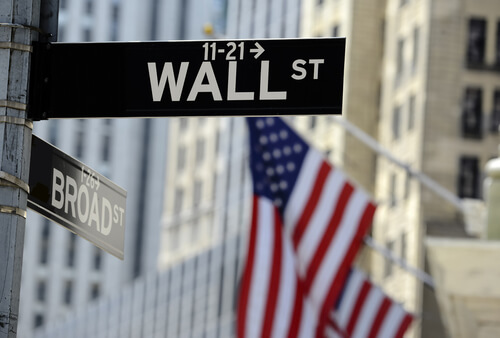
Spectacular Wins: How Retail and Infrastructure Outshine the Tech Sector
Dollar General achieved the most remarkable performance of the day with a surge of 14.01%, significantly outpacing other market values. This spectacular jump comes on the heels of an upward revision in growth forecasts for the retail chain for the 2025 fiscal year, a crucial positive signal for investors closely monitoring the resilience of consumer spending.
MarketAxess rose by 4.72%, reflecting renewed confidence in market liquidity. The renewable energy sector also captured attention, with GE Vernova gaining 4.51% after announcing several major contracts in Romania for the installation of wind turbines, while Enphase Energy advanced 4.66%.
These increases indicate a shift in capital flows toward sectors driving energy and climate transitions, areas where institutional investment is intensifying. Salesforce added 3.66% after revealing revenue growth that exceeded expectations, fueled by the momentum of its artificial intelligence tool offerings. Dell Technologies, Oracle, and Williams Companies rose by 4.01%, 3.18%, and 3.43% respectively, all benefiting from a common theme: the growing need for IT and energy infrastructure linked to the massive deployment of data centers.
Market Turmoil: Intel Falls, Semiconductors Falter, Lithium Struggles
The sharpest setback comes from Intel, which fell 7.45%, calling into question the bullish narrative that had dominated recent weeks. Although the company exceeded expectations in its latest quarterly report, there are persistent doubts about its recovery trajectory and the viability of its foundry strategy in a volatile geopolitical context.
LyondellBasell, a producer of polymers and chemical compounds, declined by 6.24%, affected by the ongoing weakness in the materials sector. Albemarle Corporation experienced the steepest decline in the mining sector, dropping 5.81%, directly attributable to the lithium market downturn, which is exerting significant pressure on the entire critical materials industry.
The residential construction sector is also showing signs of fatigue, with Lennar losing 4.79% and D.R. Horton retreating 2.59%. These corrections follow Berkshire Hathaway's strategic adjustment of its positions in the sector, selling shares of D.R. Horton while increasing its exposure to Lennar. Kroger fell 4.62%, Costco retreated 2.86%, and other consumer stocks posted negative performances, indicating growing investor concerns about consumption prospects and the retail sector's profitability in the face of persistent inflationary pressures.
In the Background: Looming Inflation and the Fed Ready to Make a Decision
These market movements are occurring in a tense macroeconomic context, dominated by the feverish anticipation of the PCE inflation figures set to be released tomorrow morning. This data is of crucial importance as it is expected to shed light on the monetary policy decisions that the Federal Reserve is preparing to announce during its meeting on December 9 and 10, where markets anticipate an 80% probability of a quarter-point rate cut.
Bond yields are displaying some volatility, swinging between optimism about a less restrictive path and fear of persistent inflationary pressures that would justify prolonged caution. The US economy continues to surprise on the upside in terms of employment, with initial unemployment claims falling to their lowest level in 38 months during the Thanksgiving week. At the same time, consumer spending remains remarkably resilient, as evidenced by forecasts from the National Retail Federation predicting sales exceeding the trillion-dollar mark for November-December. These contradictory data partly explain the caution shown by investors, who remain on the lookout for upcoming economic indicators that could clarify the trajectory of interest rates for the coming year.
This content has been automatically translated using artificial intelligence. While we strive for accuracy, some nuances may differ from the original French version.


