

SBM Offshore Shares Hit New All-Time High, Boosted by Oil Prices
SBM Offshore has risen by 1.8% this Thursday to 35.14 euros, reaching a new all-time high during the session. The Dutch specialist in floating infrastructure for the oil and gas industry has now increased by more than 43% over three months and nearly 79% over the past year.
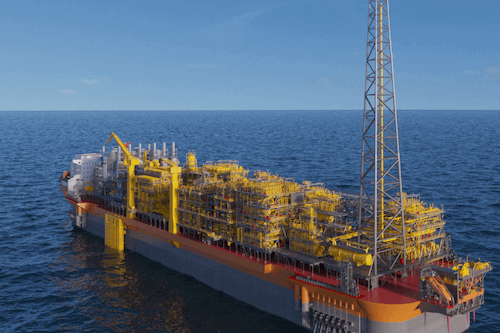
Record Performance Amidst Rising Oil Prices
SBM Offshore shares reached a new all-time high during the session, surpassing the previous record of 35.56 euros set on March 26th. This performance comes on a day marked by a surge in Brent crude, which climbed to around $108 a barrel following Tehran's denial of a ceasefire and the continuation of hostilities between Washington and Iran. The geopolitical escalation in the Middle East maintains tension on energy prices, a situation that mechanically benefits offshore oil service providers. Meanwhile, the CAC 40 fell by 1.25% during the session to 7,881 points, and the SBF 120 dropped by 1.26%. SBM Offshore is thus moving against the general trend of the Paris market. In the sector, Shell PLC also saw a rise of nearly 3%, indicating that oil-related stocks are benefiting from this renewed nervousness.
The company's general assembly is scheduled for April 15th, followed by the publication of first-quarter revenue on May 7th. These two events could be the next catalysts for the stock.
Technical Perspective Shows Strong Upward Momentum
From a technical standpoint, SBM Offshore's stock price is now significantly above its main moving averages: the 50-day moving average is at 30.67 euros and the 200-day at 23.71 euros, indicating a well-established upward momentum over the past several months. The breaking of the resistance identified at 34.46 euros is a notable signal: this threshold, which coincided with the upper Bollinger band (34.34 euros), has now been surpassed, which may indicate an acceleration of the trend.
The RSI stands at 59, a level that reflects buying pressure without immediately signaling an overbought zone. The monthly volatility of the stock remains contained at 15.2%, while its particularly low beta (0.04) confirms a significant decorrelation with the overall market. This characteristic partly explains the stock's ability to progress while major European indices face sell-offs linked to geopolitical uncertainties.


