

GTT Shares Fall 1.98% Despite a 42% Surge Over the Year
GTT shares fell by 1.98% this Wednesday afternoon, trading at 197.60 euros after closing at 201.60 euros the previous day. This decline occurs in a deteriorating European stock market environment, with the CAC 40 down 0.49% during the session. Despite this setback, the stock still shows a remarkable increase of over 20% over three months and nearly 42% over a year.
Current Trading Day Analysis
Today's decline brings the GTT stock back to an intermediate zone, after nearly reaching the resistance level of 201.60 euros the previous day. However, the price remains significantly above its 50-day (178.51 euros) and 200-day (167.55 euros) moving averages, confirming a well-established medium and long-term upward trend. The RSI, at 74, remains in the overbought zone, indicating a particularly strong recent momentum but also signaling a potential short-term consolidation risk. The major support identified at 176.90 euros provides a significant margin relative to the current level.
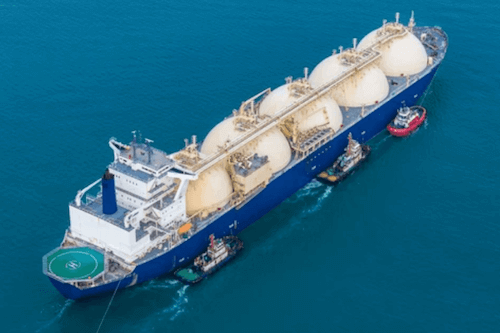
The specialist in containment technologies for the transport and storage of liquefied natural gas (LNG) has a beta of 0.15, indicating a very limited correlation with general market movements. The next meeting with investors is scheduled for April 22, the date of the publication of the first quarter 2026 revenue, followed by the general meeting planned for June 16.
Market Context and Energy Sector Volatility
Today's session takes place in a context of high nervousness on the energy markets. After a historic surge in oil prices at the beginning of the week — with Brent crude briefly reaching near 120 dollars on Monday before falling more than 11% on Tuesday — prices stabilized around 91 dollars this Wednesday. This unprecedented volatility, linked to the escalation of the conflict in the Middle East, keeps a generalized pressure on European indices. The DAX is down 0.94% and the FTSE 100 loses 0.81% during the session.
For GTT, whose business is closely linked to the LNG industry, these oil market turbulences represent a double-edged sword. On one hand, geopolitical tensions structurally strengthen the global demand for LNG transport and storage capacities, as importing countries seek to diversify their supply sources. On the other hand, the instability of the energy markets weighs on the entire listed sector, as reflected by the stock's decline this Wednesday. Christine Lagarde's statement, assuring that the ECB would do what is necessary to contain inflation in the face of soaring energy prices, adds a monetary policy dimension to the equation, with a decision expected on March 19.


