

Brent Surpasses $110: Hormuz Blocked, Oil Shock Takes Hold
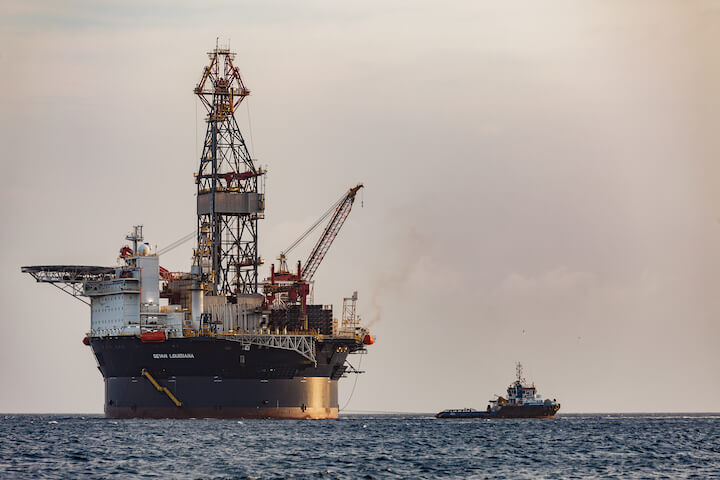
A Barrel Nears $111, Indicating a Lasting Oil Shock
Brent crude is trading near $111 per barrel this morning during Asian trading, after a nearly 8% gain last week. Since the end of February and the onset of the war in Iran, the European benchmark has risen by more than 50%, while American WTI approaches $108.
The Strait of Hormuz, through which a significant portion of crude and refined products from the Gulf previously passed, remains largely closed or significantly restricted. Flows are being rerouted through alternative pipelines or longer maritime routes, and strategic reserves are being tapped. A drone attack targeting a nuclear plant in the United Arab Emirates heightened risk perception over the weekend.
The diplomatic tone has hardened: Donald Trump warned on social media that « time is running out » for a deal with Tehran. This situation extends the dynamics seen at the Beijing summit, already marked by the search for Chinese support to keep Hormuz open, without tangible results at this stage.
Energy Inflation Awakens Bond Markets
The oil shock directly affects inflation expectations. According to the Bureau of Labor Statistics, the U.S. consumer price index rose by 3.8% year-over-year in April, with the energy component surging by 17.9% over the same period. This acceleration complicates the hypothesis of monetary easing by the Fed in 2026.
The yield on the 10-year U.S. Treasury reaches 4.63%, according to Reuters, its highest since February 2025, after an increase of over 20 basis points in the previous week. The movement is global: Japanese government bonds are also under pressure, with the 10-year at 2.80%, the highest since 1996, and the 30-year around 4.20%, a record level. The prospect of an additional budget in Japan, intended to cushion the Middle Eastern shock, fuels selling pressure.
This rise in long-term rates mechanically reduces the discounted value of future cash flows, which weighs on the valuation multiples of stocks, particularly in growth segments. The levels mentioned are those observed at the beginning of the session and are likely to change quickly during the day.
Sluggish Chinese Demand and G7 Coordination: Key Variables to Watch
In addition to these tensions on the energy supply, global demand remains fragile. According to China's National Bureau of Statistics, industrial production increased by 4.1% year-on-year in April, retail sales by just 0.2%, and fixed investment declined by 1.6% over the first four months of the year. All components fell short of expectations, confirming the fragility of domestic recovery at the beginning of the second quarter.
This combination—high energy prices, rising long-term interest rates, sluggish Chinese demand—intensifies pressure on energy-intensive sectors, transportation, and exporters exposed to the Chinese market. The G7 finance ministers, meeting in Paris, are seeking to coordinate their response to inflation, supply chains, and critical raw materials, although no common plan has been detailed at this stage.
The context calls for caution regarding available data: Chinese statistics should be interpreted carefully concerning the quality of measuring actual demand, and the military situation around Hormuz remains highly volatile. The figures mentioned, such as price and rate levels, are likely to be revised based on upcoming publications and statements from central banks. The ongoing sequence, already discussed in [our analysis of the Sino-American summit](https://www.ideal-investisseur.fr/eco-politique/trump-xi-a-pekin-une-rencontre-qui-peine-a-convaincre-33576.html), places geopolitical trade-offs at the heart of global economic parameters.
This content has been automatically translated using artificial intelligence. While we strive for accuracy, some nuances may differ from the original French version.


