

De-escalation in Trade Between Washington and Beijing: Impacts on Global Commerce and Europe
The announcement of a de-escalation agreement between the United States and China, made official on November 10, 2025, marks a clear shift in global trade dynamics. After years of tensions and punitive tariffs, the two powers are taking steps to ease their rivalry, including the suspension of taxes, restrictions on strategic metal exports, and the resumption of certain American agricultural purchases. While this turning point is welcomed by the markets, its actual repercussions—particularly in Europe—are met with both anticipation and caution.
Return to Trade Talks: Agreements Signed and Targeted Suspensions
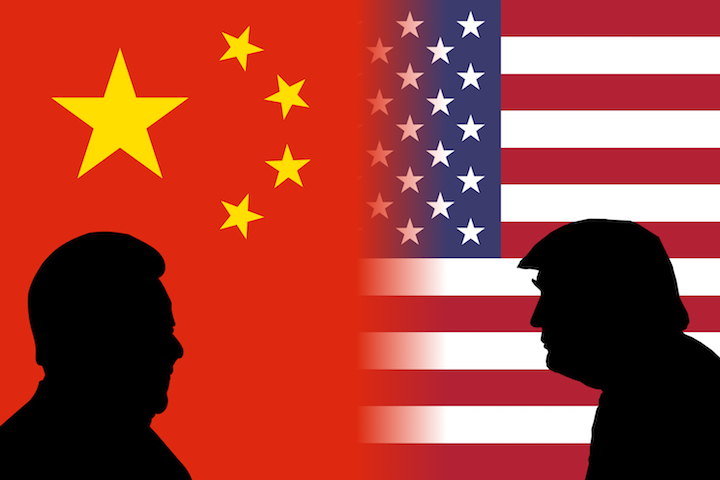
The meeting between Donald Trump and Xi Jinping in South Korea, at the APEC summit, resulted in a series of concrete actions aimed at curbing the rise of protectionism. Starting November 10, Washington will suspend all tariffs on approximately $3.2 billion worth of ships built in China, as well as 100% taxes on American port cranes and intermodal equipment, for a period of one year. Beijing, on the other hand, will lift the export ban on critical metals such as gallium, germanium, and antimony—essential to many industrial sectors including defense, automotive, and electronics. These decisions are accompanied by the United States' commitment to reduce several sanctions and ease certain tariffs. This marks a structural shift after a prolonged period of trade war characterized by the expansion of restrictive measures, potentially amounting to $1.5 billion annually for the most exposed Chinese shipping companies.
Immediate Consequences: Stabilization of Supplies and Reversal of Trade Trends
The impact of these measures has been quickly felt in the markets and among industries, particularly those reliant on globalized supply chains. By making the export of rare metals accessible once again, China offers a reprieve to European and American players facing increased pressure on raw materials. As a result, the automotive and electronics sectors, which heavily consume these resources, see a reduction in the risks of supply disruptions and price surges that were observed during the October restrictions. The temporary revival of Sino-American trade also eases tensions on agricultural commodities. China has committed to purchasing 12 million tons of American soybeans by January 2026, followed by 25 million tons per year until 2028, following a more than 78% drop in American soybean exports in 2025. In this context, American agricultural revenues are expected to recover after reaching their lowest level since 2007.
Implications for Europe: Balancing Industrial Relief and Ongoing Rivalries
Caught in the crossfire of these influence battles, the European Union benefits from Beijing's suspension of restrictions on its own imports of rare earths and graphite. European industries, especially in the battery, green technology, and defense sectors, foresee a temporary easing of supply tensions. However, caution remains essential: the temporary nature of these lifted restrictions, limited to twelve months or until the end of 2026 depending on the measures, urges stakeholders not to rely on a lasting normalization. Furthermore, the massive influx of American soybeans into the global market may increase volatility in agricultural prices and erode the competitiveness of European producers. Strategically, Europe views the US-China negotiations as an opportunity to reaffirm the importance of autonomy and diversification in its supply chains, without overlooking the persistent challenges posed by the strength of the Beijing-Washington duopoly.
This content has been automatically translated using artificial intelligence. While we strive for accuracy, some nuances may differ from the original French version.


