

Iran: Trump Sets Another Short-Term Ultimatum, Tehran Threatens to Retaliate
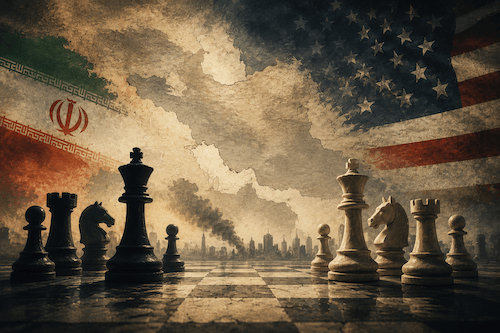
Washington sets ultimatum, Tehran raises threat of escalation
Within 24 hours, Donald Trump renewed his threats of strikes against Iran in the absence of an agreement, mentioning a timeline between « two or three days » and « possibly early next week. » The American president expressed hope that he wouldn't have to resume the war, while Vice President JD Vance reported « good progress » in talks with Tehran. However, Washington claims to keep its « finger on the trigger."
In response, the Iranian army warned that it would open « new fronts » if American strikes resume. The attacks have been suspended since a ceasefire took effect on April 8, but negotiations on the nuclear issue remain challenging. This ultimatum dynamics extends the sequence already in motion after Donald Trump suspended a strike under pressure from Gulf leaders.
Qatar and China in Diplomatic Relay, Tensions Remain High in Southern Lebanon
Qatar has called for more time for negotiations to avoid a resumption of hostilities. China has also positioned itself in favor of de-escalation, with Xi Jinping indicating to Vladimir Putin that a resurgence of war would be « inopportune, » considering that the Gulf region is at a pivotal moment between war and peace.
The Lebanese front remains active despite the ceasefire declared on April 17 between Israel and Hezbollah. Israeli strikes in the south of the country resulted in 19 deaths on Tuesday, according to the Lebanese Ministry of Health. Hezbollah reported clashes with the Israeli army, which in turn announced the death of one of its soldiers in the area. The fragility of this truce maintains a point of tension that could reignite if the Iranian issue derails.
Strait of Hormuz Still Blocked, Tensions Loom over G7 Summit in Évian
South Korea announced that a South Korean tanker had crossed the Strait of Hormuz with Iranian coordination. However, the passage remains nearly paralyzed, affecting global energy supplies, particularly impacting Seoul, which is heavily dependent on Middle Eastern crude. NATO states it does not have a formal plan to secure the strait, although its military command is considering it. This situation prolongs the existing oil shock with prices around $110 a barrel.
The G7 summit in Évian, scheduled for June 15-17, is set to bring together Donald Trump and his counterparts in a tense atmosphere. In addition to trade and diplomatic disputes, the Iranian issue is on the table: the American president criticizes some G7 leaders for not supporting the military offensive or for being minimally involved in reopening the Strait of Hormuz. The outcome of these discussions will determine the trajectory of the geopolitical risk premium in energy and sovereign debt markets.
This content has been automatically translated using artificial intelligence. While we strive for accuracy, some nuances may differ from the original French version.


