

Oil, Hormuz, Iran: In Beijing, Trump Seeks Xi's Support
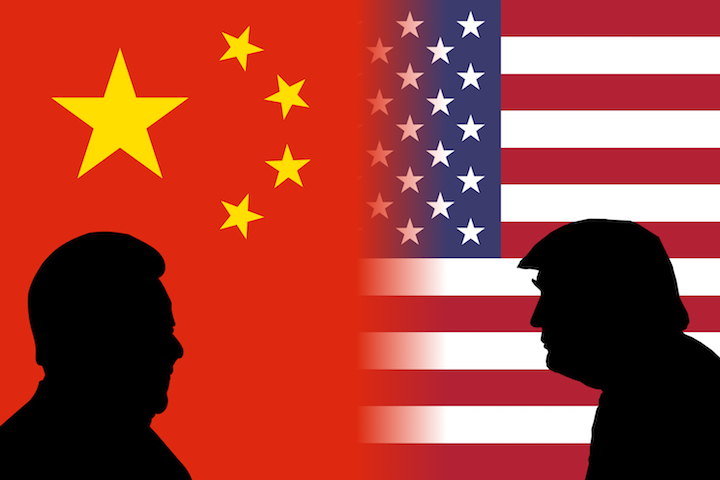
China at the Center of Oil Risk Assessment
The Iranian crisis is no longer just a matter between Washington, Tehran, and Israel. It is also influenced by the role of Beijing, whose energy interests are directly tied to the security of the Gulf's maritime routes.
China is a major buyer of energy from the Middle East. Its priority is clear: ensure the continuity of supplies and avoid a prolonged closure of Hormuz. For the United States, the stakes are different: securing a stabilizing role from Beijing, at a time when war with Iran threatens to disrupt global flows of oil and gas.
In other words, Beijing can support the freedom of navigation in Hormuz without necessarily aligning with the American perspective on the Iranian crisis. This is the core ambiguity of the situation: China has an interest in preventing a disruption of oil flows, but not necessarily in being perceived as a diplomatic ally of Washington.
Hormuz, an Immediate Signal for the Markets
The Strait of Hormuz remains the main barometer of oil risk. When ships pass through, prices can breathe. When traffic seems threatened, the geopolitical premium immediately rises.
The reports from Iran about the passage of several ships, particularly Chinese ones, partly explain the decline in Brent prices during the session. However, this does not necessarily indicate an imminent return to normalcy. If the traffic depends on occasional permits or different treatments based on flags, the risk remains high.
Iranian Accusations Against the Emirates Weigh on Regional Climate
This maritime tension is compounded by a hardening of the Iranian rhetoric against the United Arab Emirates. Iranian Foreign Minister Abbas Araghchi accuses Abu Dhabi of playing an active role alongside the United States and Israel in the war against Iran.
This accusation, not independently confirmed at this stage, nonetheless alters the diplomatic climate in the Gulf. The public denouncement of another hydrocarbon-producing state heightens the risk of regional conflict extension, precisely when markets are monitoring the security of energy routes.
The danger for oil, therefore, does not only stem from an isolated attack or a hostile declaration. It lies in the accumulation of tensions around a common space: the Gulf, its producing states, its maritime routes, and the major powers defending their interests there.
<break>
The drop in Brent prices reflects a tactical pause, driven by reassuring information about the passage of certain ships through the Strait of Hormuz. However, future developments will depend on very concrete signals: the continuation of maritime traffic, the official response of the UAE to Iranian accusations, China's public stance, the progress of diplomatic discussions, and the United States' ability to avoid a regional escalation.
This content has been automatically translated using artificial intelligence. While we strive for accuracy, some nuances may differ from the original French version.


