

Ultra-Salaries: The France That No Longer Lives in the Same Economy
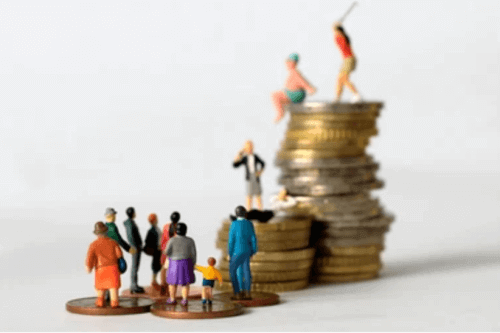
The latest data from INSEE on very high salaries doesn't just tell an economic story; it describes the growing separation of two worlds in the country. One where expenses are counted, and one where bonuses are counted. One where debt is incurred to buy a home, and one where stock option grants are discussed. One where the inflation curve is monitored, and one where the capital curve is followed. The top 1% in France isn't just wealthy; they are drifting apart.
One in Forty Employees: A Telling Figure
The figure has been circulating since this morning: one in forty employees earns more than €10,000 net per month. This salary level, in the vast majority of professions, seems like science fiction. However, in certain sectors—finance, consulting, technology, and activities related to patents and innovation—this level is now commonplace. What is striking is not that these salaries exist; it's their rapid growth. While the median salary is increasing slowly, the earnings of the top 1% continue to rise. Even more remarkable: within the top 0.1%, income predominantly comes from capital rather than labor. This shift is significant. It means that the highest earners are no longer just employees; they are investors. And their incomes no longer follow the same patterns as the rest of the population. Another noteworthy aspect is geographic: all of this is heavily concentrated in Île-de-France, which has become the country's main hub for very high incomes. The regions, even those that are dynamic, do not compete on the same level.
The Risk of a Society Under Strain
Why are these figures important? Because they raise a delicate question: what happens to a social model when a significant part of its contributory base lives in a different world? Public financing relies on a fragile balance: many average taxpayers and a small base of very wealthy taxpayers who provide a disproportionate share of revenue. Nothing new here. What's changing is that this small base is becoming even smaller, increasingly wealthy, and more mobile. High earners can relocate, invest differently, and leverage opportunities on a European scale. There's nothing illegal or abnormal about this; it's the logic of a globalized world. However, it puts additional pressure on a national model built on internal solidarity. Another consequence is political: when disparities become visible and mobility isn't the same for everyone, cohesion is strained. France has long viewed itself as a relatively egalitarian society. INSEE's figures reveal a more complex reality: inequality is quietly but steadily growing, and those at the top are already operating more on an international than a national basis.
This content has been automatically translated using artificial intelligence. While we strive for accuracy, some nuances may differ from the original French version.


