

Inventory Pledge: Financing Your Business Through Stock
For many companies, inventory constitutes a significant portion of the capital tied up in their operations. Goods, raw materials, or finished products tie up cash flow even before being sold. However, these assets can also serve as collateral to secure bank financing. This is the essence of inventory pledging, a solution still relatively unknown to some business leaders.
Sponsored content by Brisbane Media. The editorial team did not participate in the creation of this article.
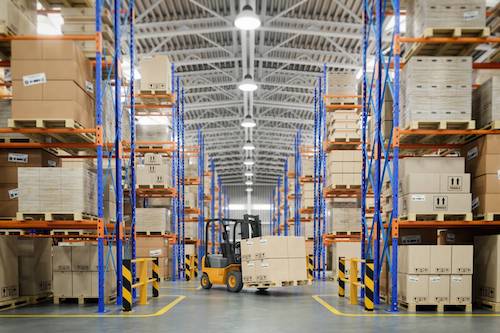
Turning Inventory into Bank Collateral
A pledge on stock, also known as stock collateral, allows a company to offer all or part of its goods as security for a loan. In the event of the borrower's default, the lending institution has rights over the pledged goods, subject to the terms set by law and the contract.
Unlike a sale of goods, this operation does not require the company to transfer ownership of its assets to obtain liquidity. The pledge can be established with or without dispossession. In the first scenario, the goods are placed under the control of a third party or the creditor, according to the selected terms.
In the latter case, the company retains possession of its stock. Depending on the contractual provisions, the goods may continue to be used, sold, or renewed, even in some arrangements with dispossession, provided that the conditions governing the collateral are met.
This security now falls under the general law of pledges, as outlined in Articles 2333 and subsequent of the Civil Code. The specific framework previously detailed in the Commercial Code was removed in 2022.
A Way to Finance Working Capital Needs
The interest in inventory financing is particularly noticeable in companies experiencing significant gaps between their purchases and cash receipts.
A distributor, for instance, must finance their merchandise several weeks or even months prior to selling it. An industrial company might also stockpile raw materials to ensure continued production. In both scenarios, the working capital requirement (WCR) increases.
The use of stock as collateral can provide an additional guarantee to the bank, facilitating the acquisition of a cash credit or a financing line suited to the operating cycle.
This mechanism specifically concerns industrial companies, traders, wholesalers, and distributors. However, not all inventory is necessarily eligible. Their identification, value, and control potential are key criteria.
Why Involve a Trusted Third Party?
For the bank, accepting goods as collateral requires being able to verify their existence and track their changes. By nature, inventories are fluctuating: some products are sold, while others take their place.
This is precisely the area where specialists like Auxiga come into play, a leading player in inventory collateral and asset control in Europe, with over 50 years of expertise.
The company acts as a trusted third party between financial institutions and their clients. It assists in establishing the collateral and ensures its monitoring through regular company reports and on-site physical inspections. These checks help reconcile the quantities declared with the goods actually present.
Financing to Consider in Light of Its Cost
Pledging inventory does not automatically secure a loan. The bank continues to assess the company's financial situation, the characteristics of the inventory proposed as collateral, and the risks associated with the operation.
The company leader must also factor in the financing fees, potential costs of establishing the collateral, and costs for its monitoring.
For companies with substantial and easily identifiable inventory, this mechanism can nonetheless broaden financing options without diluting their capital or selling their goods. Therefore, it is worth considering alongside traditional banking solutions, depending on the operating cycle and actual cash flow needs.
Contenu conçu et proposé par Brisbane Media. La rédaction n'a pas participé à la réalisation de cet article.
This content has been automatically translated using artificial intelligence. While we strive for accuracy, some nuances may differ from the original French version.


