

Unwinding at Home for Finance Professionals: Effective Techniques That Truly Work
It's 7 PM, you've shut down your computer an hour ago, yet your brain keeps recalculating the day's positions. If you work in finance, this scenario probably rings a bell.
Analysts, portfolio managers, financial controllers, traders, or wealth management advisors share a common trait: the pressure doesn't always stop at the office door. The numbers, deadlines, and market volatility tend to follow everyone right into their living room.
The good news is that home can once again become a place of recovery. A few simple habits, practiced regularly, are often enough to reduce the tension.
In this article, you'll find concrete methods, tailored to the pace of finance professions, to bring a bit of calm back to your home.
Sponsored content by Brisbane Media. The editorial team did not participate in the creation of this article.
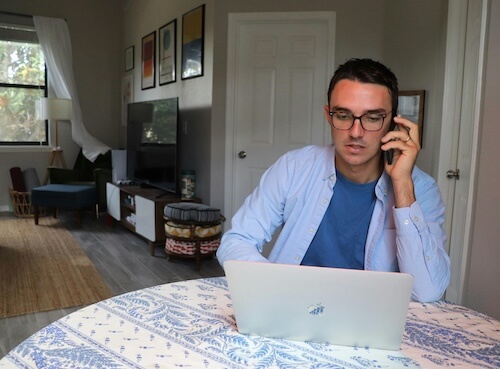
Why Stress Clings to Financial Professionals
The financial sector accumulates several well-identified stress factors. Days are long, decisions often involve significant sums of money, and a mistake can be costly. Added to this is the constant flow of information: notifications, price alerts, late emails, meetings with teams in different time zones.
Remote work, now common in many banks and asset management firms, has also blurred the line between professional and personal life. When the office is just ten feet from the couch, it's hard to disconnect. The body remains on high alert, cortisol levels don't drop, and sleep suffers.
This constant tension can lead to burnout. The World Health Organization even recognizes burnout as a work-related phenomenon in its International Classification of Diseases (ICD-11). Taking it seriously is simply common sense, for both your health and the quality of your work.
Drawing a Clear Line Between Work and Home
The first measure costs nothing and changes a lot: clearly separate the two worlds. In France, the right to disconnect has been enshrined in the Labor Code since January 1, 2017, and companies with at least 50 employees must negotiate this topic. However, one must apply it to oneself.
A few actions help mark the end of the day:
- set a quitting time and stick to it, even if only approximately;
- turn off notifications for professional emails and trading apps after this time;
- put the laptop out of sight, in a drawer or bag;
- change clothes, as you would when coming home from the office;
- plan a small transition ritual, such as a ten-minute walk, a shower, or a cup of tea.
Unwind After the Closing Bell with a Movie or Documentary
Once the markets have closed, settling down in front of a movie remains one of the simplest pleasures to unwind from the day. The choice of program, however, is important. A financial thriller might seem tempting, but it risks plunging you back into the trading floor atmosphere. A comedy, an animated film, or a nature documentary often provides a much clearer break.
Documentaries have a particular advantage: they engage the mind without overwhelming it.
Travel, history, cuisine, science, sports—the choice is vast.
If you watch your programs on an Apple TV, be aware that devices running tvOS 17 or a more recent version support VPN applications, which can be installed directly from the App Store. A VPN encrypts your connection and can broaden your streaming options, for example, by allowing you to access your subscription catalogs while traveling abroad.
To compare available solutions, you can consult a guide on [free Apple TV VPNs](https://claude.ai/chat/975ea383-be4a-4924-b423-3c5e50c4e03e#) before making your choice. Keep in mind that free offers often impose data or speed limits, which can interfere with high-definition streaming. Also, remember to comply with each platform's terms of use.
Final advice: set a limit. Watching episodes until one in the morning quickly negates the benefits of the evening.
Exercise to Release Accumulated Stress
Sitting for eight to ten hours in front of multiple screens takes a toll: stiff neck, tense back, overwhelmed mind. Physical activity remains one of the most effective ways to reduce stress. At home, there's no need to invest in a fully-equipped gym. A mat, a pair of light dumbbells, and a jump rope already cover a large number of exercises. Yoga is particularly beneficial for sedentary professions, as it combines stretching, muscle strengthening, and breathing work. Numerous free videos offer 15 to 30-minute sessions accessible to beginners. As for the ideal time, it's the one you can maintain over the long term. Some prefer to move early in the morning before the markets open. Others choose the end of the day to let off steam. Just avoid very intense sessions right before bed, which can delay falling asleep.
Breathing and Meditation: Two Accessible Tools
After a hectic day, a few minutes of controlled breathing can sometimes be enough to calm the nervous system. Cardiac coherence is a simple and widely practiced method. Its principle is summarized by the “3-6-5” rule: three times a day, six breaths per minute (five seconds inhaling, five seconds exhaling), for five minutes. Free apps provide a visual guide to help regulate your breathing.
Mindfulness meditation operates on a different level. It involves focusing your attention on the present moment, without judging the passing thoughts. For someone who spends their days anticipating scenarios and assessing risks, this exercise can seem disconcerting at first. That's precisely what makes it useful: it trains the mind to break out of constant projection mode.
Start small. Five minutes sitting quietly, with your phone in another room, is better than an hour-long session abandoned after three days.
Make Sleep a Priority
Stress and lack of sleep mutually reinforce each other. A short night makes you more irritable and less clear-headed, which increases the next day's stress, further disrupting the following night. For adults, most specialists recommend between seven and nine hours of sleep per night.
A few sleep hygiene rules can make a real difference. Going to bed and waking up at regular times, including on weekends, helps stabilize the biological clock. The bedroom should remain cool, dark, and quiet. It's also better to turn off screens an hour before bedtime: their light delays melatonin secretion, and a last glance at Asian markets can easily reignite racing thoughts.
If ideas keep looping as you try to fall asleep, note them in a notebook next to the bed. Putting them on paper often helps the brain let go until the next day.
Exploring Hands-On Activities
Careers in finance are quite abstract: dealing with numbers, models, and probabilities all day long. Engaging in a concrete activity in the evening provides a welcome counterbalance. Cooking a dish that requires some attention, repotting plants, doing DIY projects, drawing, or playing an instrument focuses the mind on the present. Reading also has its place, provided you put aside the financial press. A novel, a biography, or an essay unrelated to work allows for real escape. A few pages each evening are enough to establish a calming habit. These moments precisely serve to break away from the productivity mindset that dominates the day.
Recognizing When to Ask for Help
The techniques presented here help manage everyday stress. They do not replace professional guidance when the situation becomes overwhelming. Persistent sleep disturbances, fatigue that doesn't go away with rest, unusual irritability, loss of interest in what once pleased you: these signs deserve to be taken seriously.
Your primary care physician is always a good first point of contact. In France, the Mon soutien psy program also allows individuals to benefit from sessions with a partner psychologist, covered by health insurance and complementary health plans. Many companies in the sector also offer employee assistance programs with confidential consultations. Talking about it is not a sign of weakness.
Stress is part of daily life for most finance professionals, but it does not need to take up permanent residence in your home. Drawing a clear boundary with work, moving a bit every day, breathing, sleeping well, and allowing yourself genuine moments of pleasure form a solid foundation.
There's no need to implement everything by tonight. Choose one or two habits that seem easy, test them for two weeks, then add others. Your home will gradually become a place where you recharge before the next round.
Contenu conçu et proposé par Brisbane Media. La rédaction n'a pas participé à la réalisation de cet article.
This content has been automatically translated using artificial intelligence. While we strive for accuracy, some nuances may differ from the original French version.


