

Air Travel Chaos in the Middle East: Tourists Flee the Gulf for the Mediterranean
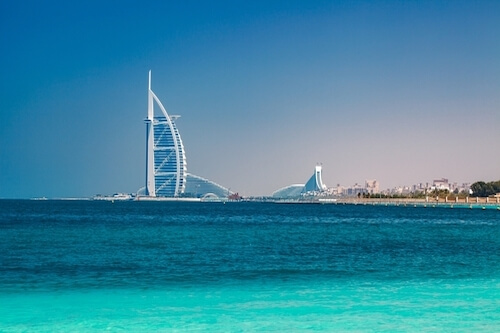
Air Traffic Severely Disrupted Across the Region
The military escalation in the Middle East has led to immediate disruptions in air travel. Several flights have been canceled, suspended, or rerouted, while some airports have had to temporarily halt operations. In Dubai, a drone attack temporarily closed the airport before gradually resuming traffic.
According to Reuters, air traffic in the region was about half its usual level at the height of the disruptions. Meanwhile, the Associated Press reports that most commercial flights remained suspended in several areas as initial evacuation flights were being organized from the United Arab Emirates. These disruptions are impacting the entire regional network, including international connections.
Reservation Changes Noticed by Tour Operators
The initial consequences are evident in booking behaviors. According to The Guardian, several tour operators, including Tui, Hays Travel, and Kuoni, are seeing trips initially planned near the conflict zone being postponed to destinations considered more accessible, such as Spain, Portugal, Italy, Malta, or Croatia.
These developments currently pertain to booking trends rather than consolidated tourist flows. An analysis by Mabrian, reported by Euronews, also highlights a deterioration in the perception of safety in the region and early signs of demand shifts, without concluding a permanent redirection of international flows.
Southern Europe Attracts Redirected Tourist Flows
In light of the declining safety image of the Gulf region, international tourism demand is beginning to shift toward destinations perceived as stable. Spain, Italy, and Greece are among the primary beneficiaries identified in this redistribution. These Mediterranean countries boast several structural advantages: a mature hotel sector, reliable transportation infrastructure, a similar climate for beach tourism, and above all, a well-established image of political and safety stability among international travelers.
This pattern of substitution is not new. The most documented precedent dates back to the Arab Spring in 2011, when instability in Tunisia, Egypt, and several other countries in the region led to a significant and lasting shift of tourist flows to the European shores of the Mediterranean. Spain experienced a notable increase in international arrivals, while Greece and Turkey also captured part of the redirected demand.
Data from the World Tourism Organization (UNWTO) show that some of these gains have proven to be structural, as travelers discovered new destinations that they continued to visit regardless of the initial geopolitical context.
This content has been automatically translated using artificial intelligence. While we strive for accuracy, some nuances may differ from the original French version.


