

Four central banks meet simultaneously for the first time since 2021
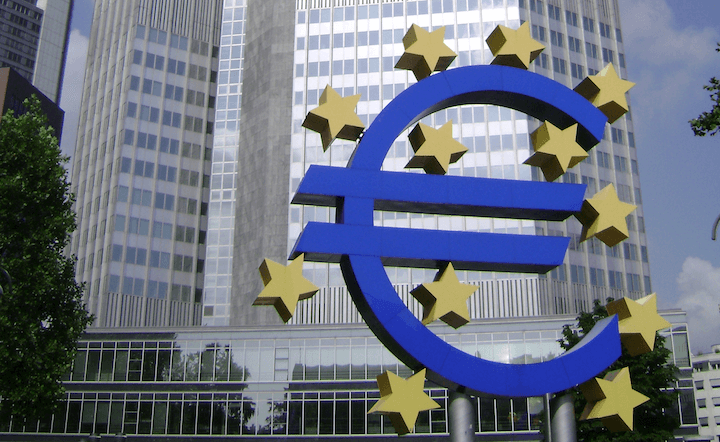
A Rare Convergence Amid High Geopolitical Tension
That four major central banks are deliberating in the same week is not the result of intentional coordination. Their schedules, set months in advance, sometimes coincide purely by chance. However, the context in which this simultaneity occurs gives it particular significance: each institution must render its assessment at the same time, using the same incomplete data on the magnitude and duration of the oil shock.
In December 2021, the last occurrence of this kind preceded the most severe cycle of monetary tightening in four decades. At the time, most major central banks were still describing inflation as « transitory. » A few months later, they commenced historic series of interest rate hikes. This precedent weighs heavily now. Monetary policymakers know that underestimating the persistence of inflation can be costly in terms of credibility and effectiveness.
Nevertheless, markets are not anticipating any rate hikes during this period. The central scenario remains one of widespread status quo. Each institution favors patience while discerning whether the shock is temporary or signifies a structural shift in economic conditions. The real question lies in what will follow: the projected interest rate paths for the rest of 2026 have already been profoundly revised by financial markets.
Oil at $100 and the Shadow of the 2021-2022 Mistake
The surge in crude prices beyond $100 per barrel is the main factor causing disruption. This price level, reached amidst significant geopolitical tensions in the Middle East, mechanically fuels inflation through production and transportation costs. Energy prices then spread throughout the entire economy, from manufactured goods to services.
In theory, central banks are designed to « look through » temporary supply shocks. They focus on core inflation—excluding energy and food—rather than short-term commodity fluctuations. However, the experience of 2021-2022 has profoundly altered this approach. During that time, what was presented as a transient shock turned into a lasting inflationary wave, forcing the Fed, the ECB, and the BoE to undertake unexpected tightening measures of significant magnitude.
This recent institutional memory now prompts a more cautious stance. Financial markets have already priced in a tightening of expectations: the question is no longer whether rates might rise, but over what time horizon. At the same time, rising energy costs could simultaneously weigh on household consumption, business confidence, and employment. This combination of persistent inflation and economic slowdown—sometimes referred to as stagflation—represents the most challenging scenario for any central bank to manage.
The United States in a Position of Relative Strength Due to Energy Independence
Among the four regions affected, the United States appears to be the best equipped to absorb the shock. Their status as a net energy exporter, achieved over the last decade thanks to the shale oil revolution, serves as a structural cushion. When oil prices rise, American producers' revenues increase, partially offsetting the negative impact on consumers.
The appreciation of the dollar, typical during times of geopolitical tension, reinforces this advantage. A strong dollar reduces the cost of imports priced in foreign currencies, helping to contain inflationary pressures within the US. Conversely, economies with currencies that depreciate against the dollar face a double impact: more expensive oil in dollar terms, and a local currency that amplifies the cost.
Market attention is focused on the economic projections of the Fed's monetary policy committee and the positioning of its members. While a rate cut is still officially among the possible scenarios for 2026, market expectations have shifted significantly towards maintaining rates at their current level for an extended period. The « dot plot"—the chart summarizing individual members' forecasts—will be closely watched to assess the extent of this recalibration.
Eurozone, United Kingdom, Japan: Three Distinct Vulnerabilities in Response to the Same Shock
The eurozone finds itself in a noticeably more uncomfortable position. As a net energy importer, it is being hit hard by rising gas prices, which add to the tensions surrounding oil. In just a few weeks, the markets have shifted from a scenario of continued monetary easing to the anticipation of possible rate hikes by the ECB. The rise in European bond yields reflects this shift and is already, in effect, tightening financing conditions for households and businesses. This spontaneous tightening paradoxically limits the need for immediate action by the central bank: the markets are partially doing its job.
The United Kingdom appears particularly exposed. Inflation remains structurally higher there than among its neighbors, and market expectations have quickly adjusted toward a more pronounced monetary tightening. Yields on UK sovereign bonds have risen sharply, signaling a clear change in perception. The monetary easing scenario that was prevalent until recently now seems relegated to the background.
Japan faces a unique equation. Highly dependent on energy imports, it is directly vulnerable to rising oil prices. The yen, weakened over several quarters, amplifies the increased cost of imported commodities. Tensions over the yield curve and expansive fiscal measures add to an already complex picture. The Bank of Japan hesitates to raise rates for fear of undermining an economic recovery that remains uncertain, despite clearly identified inflationary risks. These four distinct trajectories highlight a fundamental reality: the same external shock can produce very different effects depending on each economy's energy structure, exchange rate dynamics, and available room for maneuver.
This content has been automatically translated using artificial intelligence. While we strive for accuracy, some nuances may differ from the original French version.


