

Renewable energy surpasses coal in the global energy mix
In the first half of 2025, renewable energies (mainly solar and wind) produced more electricity globally than coal, marking a historic shift in the energy mix. This is reported by the Global Electricity Mid-Year Insights 2025 from the think tank Ember. According to this data, renewables generated 5,072 TWh compared to 4,896 TWh from coal during this period.
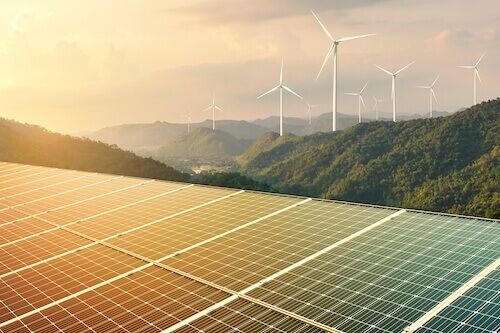
A Turning Point Driven by the Rise of Solar Power
Solar energy experienced a spectacular acceleration in the first half of the year, with a roughly 31% increase in production compared to the same period in 2024. This growth alone accounted for more than four-fifths of the rise in global electricity demand. Wind energy, which grew by nearly 8%, helped reinforce this momentum. Together, these two sectors generated about 400 terawatt-hours more, exceeding the total increase in global demand during the period.
In detail, renewable sources produced around 5,100 terawatt-hours of electricity, compared to just under 4,900 terawatt-hours from coal. This marks an unprecedented shift in the balance of power, as coal still largely dominated global energy production a decade ago.
China as the Driving Force of Change
This shift is primarily driven by China, which accounted for more than half of the global solar growth in the first half of the year. Beijing continues to invest heavily in its production capacities while gradually reducing the share of fossil fuels in its energy mix. India is following a similar path, with solar production soaring by about 30% and wind power by nearly the same proportion, contributing to a slight decrease in coal and gas production.
In contrast, the situation remains mixed in Western economies. In the United States, increased electricity demand led to a temporary resurgence in coal production, which rose by approximately 17% over the semester. In Europe, unfavorable weather conditions—weak wind and drought—restricted wind and hydroelectric production, forcing some countries to temporarily increase their reliance on gas.
Ambitious yet Fragile Outlook
According to the International Energy Agency (IEA), installed renewable energy capacities are expected to more than double by 2030, with an expansion of approximately 4,600 gigawatts, driven 80% by photovoltaic solar power. India, China, and the European Union will concentrate the majority of this growth.
However, the transition remains uneven. The United States faces a slowdown in its trajectory due to delays in offshore wind projects and reductions in federal tax credits. In China, overcapacity in solar panel production is driving down prices and undermining the profitability of several manufacturers.
Despite these challenges, the underlying trend appears irreversible: global electricity is becoming increasingly decarbonized. The symbolic overtaking of coal by renewables illustrates a profound transformation of the energy system, driven by both technological competitiveness and climate pressure.
This content has been automatically translated using artificial intelligence. While we strive for accuracy, some nuances may differ from the original French version.


