

Brent Crude Remains Above $100 Despite G7 Release of 100 Million Barrels
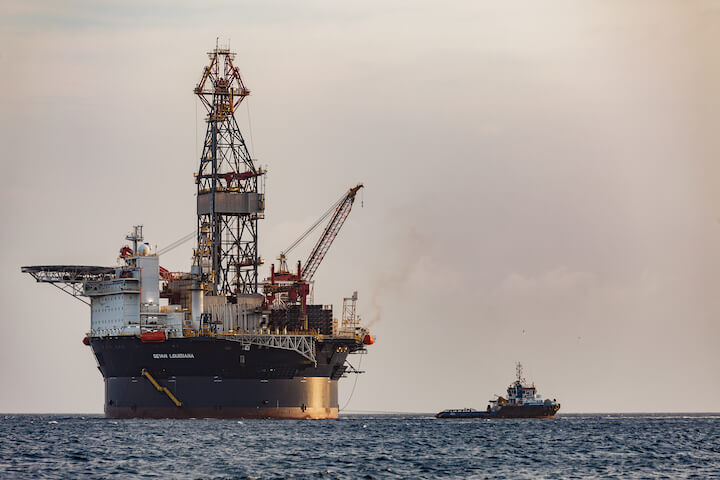
Oil Makes a Comeback, But Through Riskier Routes
Crude oil flows from the Middle East have significantly recovered in recent weeks. According to shipping data cited by Reuters, they exceeded pre-war levels for four of the last seven days of September.
However, this improvement does not mean a return to normal. Traffic through the Strait of Hormuz remains exposed to attacks and maritime incidents, while several Gulf producers have had to adapt their export routes. Saudi Arabia, in particular, is using its East-West pipeline more and other alternative routes.
The increase in available volumes is thus accompanied by longer and more expensive logistics. Freight rates and insurance premiums have risen sharply, which limits the bearish effect of the return of barrels to the market.
OPEC+ Delays Decision on 2027 Quotas
Meeting on Sunday, OPEC+ decided to keep its production targets unchanged for November. However, the organization postponed a review of its production capacities, which is intended to serve as the basis for quota allocation among its members starting in 2027.
The war has disrupted several capacity expansion projects in the Middle East and made estimates more uncertain.
Therefore, it would be excessive to conclude that OPEC+ is abandoning its plans to set a supply framework for next year: it is the future allocation of production targets that remains in question.
This caution highlights the uncertainty that still surrounds the global supply. Producers must arbitrate between the gradual return of regional exports, the capacities actually available, and a geopolitical context that may evolve rapidly.
Refining Remains Another Point of Tension
The situation is not solely about the volumes of crude oil extracted. Several refining facilities in the Middle East and Russia have been damaged or disrupted, maintaining pressures on certain petroleum products, particularly diesel.
The market must, therefore, simultaneously absorb an uneven recovery in crude exports and more constrained processing capacities. This is another reason why the temporary release of strategic reserves does not automatically result in a drop in prices.
The ability of Brent to sustainably remain below $100 will thus depend not only on the available volumes but also on the normalization of maritime routes and refining infrastructures.
Oil prices fueling inflationary pressure
Permanently high oil prices continue to be monitored for their inflationary effects. The rise in energy prices contributes to cost pressures and is among the factors likely to keep bond yields elevated.
Last week, the 10-year U.S. Treasury reached 5.34%, its highest level since 2002, before pulling back. In Europe, France faces a unique tension: the yield spread between the French OAT and the German 10-year Bund exceeded 150 basis points on Friday before ending the week around 140 points. It gained roughly 34 points over five sessions, marking its strongest weekly increase in seventeen years.
Oil doesn't directly account for this French risk premium. However, it adds another constraint to an environment already characterized by high long-term rates and significant geopolitical uncertainties.
This content has been automatically translated using artificial intelligence. While we strive for accuracy, some nuances may differ from the original French version.


