

War in Iran Drives Up Costs for European Industry
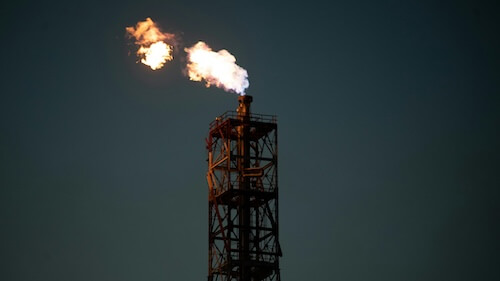
A Barrel Anchored Above $90 Due to Risk Premium
Brent was trading around $94 this morning, following a previous session marked by a gain of more than 5%. These levels contrast with surplus forecasts made at the beginning of the year and reflect the risk premium associated with tensions around the Strait of Hormuz, through which a major portion of Gulf oil exports transit.
Indirect discussions between Washington and Tehran remain surrounded by contradictory signals, while tensions around the Strait of Hormuz continue to fuel the risk premium on oil. At this stage, these statements remain threats rather than fully implemented measures: the reaction of the United States, Gulf allies, and major Asian importers could strongly influence the actual risk to energy flows.
The intraday snapshot of prices remains subject to strong variations, influenced by diplomatic communications, stock statistics, and OPEC+ decisions.
European Industry: A PMI Dropping Under Input Cost Pressure
The eurozone manufacturing PMI index published by S&P Global came in at 51.6 in May, down from 52.2 in April. Activity remains in expansion territory, but the pace is slowing: Germany is stagnating and France is seeing its first contraction since November.
Surveys indicate the fastest increase in input costs in four years in Europe, attributed to logistical and energy disruptions linked to the conflict. Leaders from the IEA, IMF, World Bank, and WTO have warned that the war is straining global energy supplies, adding a supply shock to a cycle already marked by the post-pandemic reopening.
These leading indicators, based on surveys of purchasing managers, provide a trend but do not definitively predict upcoming GDP or inflation data and may be revised. Nonetheless, they outline an unfavorable environment for cyclical sectors exposed to energy costs and long supply chains, while final demand is likely to be constrained by the gradual transmission of these cost increases.
ECB: Balancing Second-Round Effects and Firmly Anchored Expectations
According to a Reuters survey, a majority of economists anticipate at least two more increases in the ECB's deposit rate in 2026 to contain second-round effects related to the surge in energy prices. This projection reflects the institution’s stated intent not to allow a supply shock to sustainably transfer to domestic prices through wages and margins.
A separate ECB survey, however, moderates the outlook: inflation expectations among eurozone households are at 4.0% for one year, 2.9% for three years, and 2.4% for five years, despite actual inflation being at 3% in April. The maintenance of medium- and long-term expectations relatively close to the 2% target could limit the need for aggressive tightening and mitigate the risk of de-anchoring.
The combination of an industrial cost shock and a potentially restrictive monetary stance creates a specific market environment: rate-sensitive assets, notably long-term bonds and highly valued growth stocks, remain exposed to any reevaluation of the ECB's timetable, while the margins of cyclical sectors depend heavily on their ability to pass on input cost increases.
This content has been automatically translated using artificial intelligence. While we strive for accuracy, some nuances may differ from the original French version.


